
What Retailers Should Know Before Starting a Store Buildout or Refresh
Table of Contents
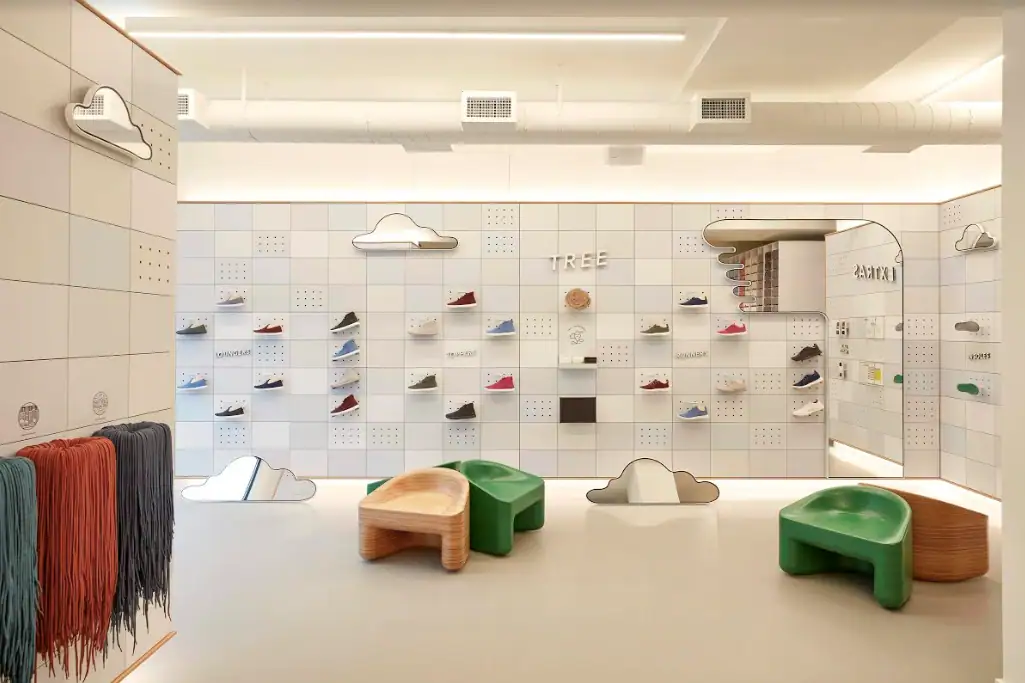
Opening a new retail location or refreshing an existing one is a significant investment for any retailer. Whether you're filling an empty space from scratch or modernizing a store that's starting to feel out of date, the decisions you make about fixtures, materials, layout, and timing will shape how your store looks, functions, and performs for years to come. At GLW, we’re breaking down what retailers should understand before beginning the process of a store buildout or refresh, with practical insight from our teams who plan, engineer, and install these projects.
What Is a Retail Store Buildout or Refresh?
These two terms are often used interchangeably, but they describe very different scopes of work:
A store buildout typically starts from a "white box,” which is an empty, unfinished commercial space that needs to be fully outfitted with fixtures, displays, lighting, flooring, cash wraps, and everything else that turns four walls into a functioning retail environment. Buildouts are large-scale projects. A single location, for example, can span a couple of thousand to a few hundred thousand square feet, plus additional stock room space, all of which needs to be planned, engineered, and installed.
A store refresh is a more targeted project, and rather than starting from scratch, is focused on improving what's already there. This can include updating layouts, replacing aging fixtures, reworking cash wrap areas, or improving product visibility in specific departments. Refreshes are often phased to minimize disruption to shoppers and store operations, or, in some cases, work happens overnight so the store can remain open during the day.
Both buildouts and refreshes require careful planning, clear communication, and an understanding of how all the moving pieces fit together to ensure that the project is completed effectively.
How Fixture Planning Impacts Layout and Customer Flow
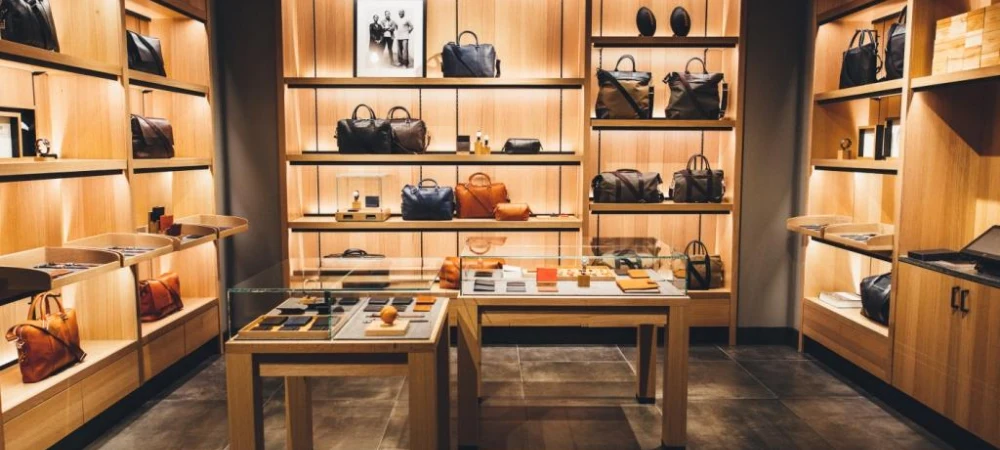
Fixtures aren't just shelving, they're the architecture of your customer’s experience. How they're arranged determines how customers move through the space, where their attention is drawn, and how much product you can display effectively. Retailers with established brand standards usually begin a buildout with detailed store plans already in hand. These plans define category-specific square footage, such as 1,500 sq ft for bedding, or 2,500 sq ft for glassware. These plans also specify where each fixture type should live. GLW then works with retailers and these plans to engineer and produce those fixtures to exact specifications, ensuring they fit the space, perform the required function, and align with the brand's visual identity.
Good fixture planning also accounts for real-world constraints: column placement, ceiling height, traffic flow, and how fixtures need to be broken down for transport and reassembled on-site.

Choosing Materials and Finishes for Durability and Brand Alignment
For retailers with multiple locations, consistency is key. Even when a new store occupies an older building with different floor materials, layouts, or unusual architectural features, the fixtures themselves should feel immediately recognizable. Signature design elements, like a distinctive steel structure, a custom cash wrap profile, or a specific shelving system, are what make a customer recognize a store experience, regardless of the location. Materials are some of the most recognizable features in any buildout or refresh, and can also be one of the most frequent sources of budget pressure.
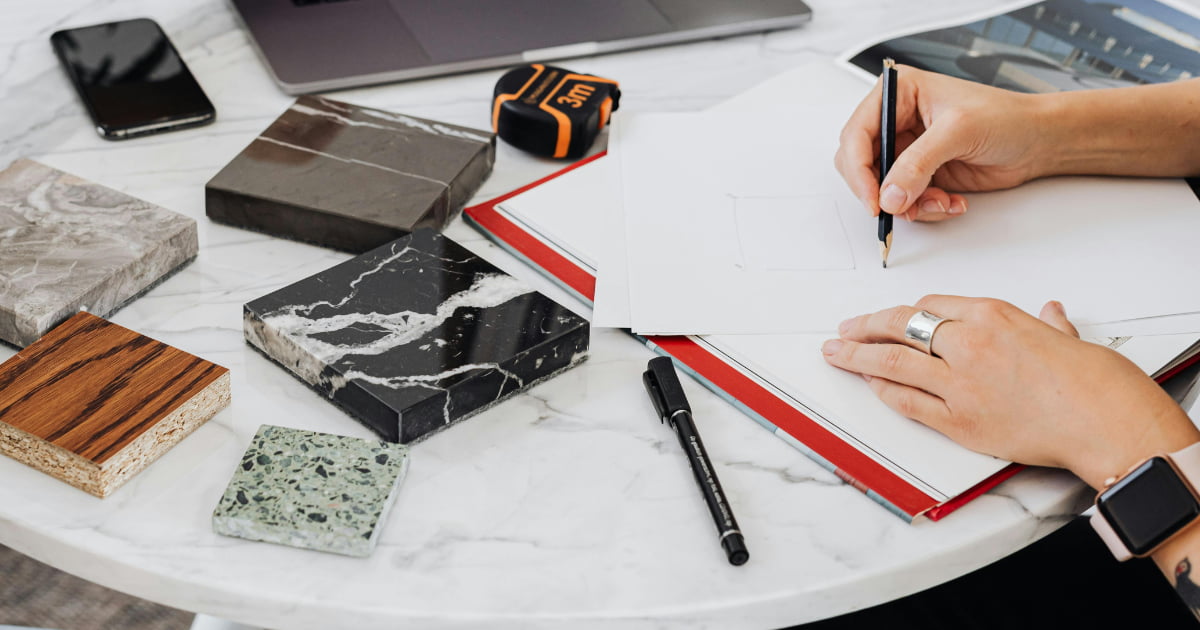
Architects and design teams may specify materials based on aesthetics first, with less consideration for cost, availability, or durability. Solid lumber, specialty metals, custom laminates, and exclusive vendor finishes can all look beautiful in a design document but create budget challenges in practice. At GLW, we identify substitutions that preserve the look and function with a more budget-friendly price tag. Switching from solid lumber to rough-sawn plywood for textured panels, for instance, can deliver nearly identical visual results at a fraction of the cost. In our years of experience, material substitutions have been possible on a wide range of projects, but they require flexibility and a willingness to evaluate alternatives with an open mind.
A few things to keep in mind when selecting and evaluating materials for fixtures:
- Availability matters as much as aesthetics. If a material has a long lead time or is only available from a single vendor, that delay can hold up the entire project. Readily available materials are preferable when schedules are tight.
- Durability is high-priority. While some options may look nice or be available sooner, choosing materials that last will maintain brand aesthetics and functionality over time.
- Finishes require approval cycles. Samples need to be reviewed, colors need to be matched, and clients need to sign off before production begins. The more iterations required, the longer the timeline, so a streamlined approval process will help prevent delays.
- Some materials are non-negotiable. If a brand requires polished brass from a specific sole-source vendor, that cost needs to be built into the budget from the start. Understanding which specifications are negotiable or not is an important early conversation.
Considering Lighting Integration and Visual Merchandising
Lighting plays a dual role in retail, as it sets the atmosphere, and helps sell the product. Getting it right requires coordination between multiple parties, and it's important to understand who is responsible for what.
In most retail buildouts, architectural lighting such as overhead systems, track lighting, and accent lighting built into the store's structure is managed by the retailer's design team or a dedicated lighting vendor. This is typically established in the store plans before fixture manufacturing begins.
Fixture-integrated lighting is a separate matter. Display cases, product pedestals, shelving units with built-in illumination, and jewelry cases all require lighting that's integrated into the fixture itself. This is designed and installed by GLW, often in coordination with the retailer's lighting specifications.
Final lighting adjustments typically happen on-site just before the store opens, when product is in place, and the team can evaluate how light interacts with actual merchandise. This is an important part of the process and it's worth planning for space in the schedule for it.
From a visual merchandising standpoint, lighting should be considered during the fixture design phase, not as an afterthought. Where a spotlight lands, how shadows fall on a display, and whether lighting highlights or washes out a product are all questions that fixture design can either help or hinder.

Coordinating Fixtures with Your GC and Store Operations
A retail buildout doesn't happen in isolation. Fixtures arrive at a site that's already being worked on by general contractors, electricians, flooring crews, and others. Managing that coordination is critical to keeping a project on schedule and avoiding costly mistakes. Installation is often handled by a dedicated installation team or the project’s general contractor. These professionals use detailed fixture assembly drawings provided by GLW to ensure that installation goes smoothly and correctly.
A few coordination realities to keep in mind:
- Most large fixtures are shipped disassembled. Large cash wraps, overhead structures, and multi-component displays cannot be shipped while fully assembled. They arrive labeled and packed with assembly instructions, which means installers need to carefully read the included paperwork before they start cutting or fastening anything.
- Site support is available but not automatic. For installers unfamiliar with a manufacturer's fixtures, on-site support can prevent expensive errors. This is typically offered as an optional paid service and is worth considering for first-time installs or unusually complex builds.
- Ask questions before making assumptions. The single most expensive mistake in installation is an action taken without confirmation, such as a cut made in the wrong place, a panel mounted before conduit is run, a fixture assembled in the wrong sequence. Encourage your GC and install team to communicate early and often with GLW so we can help streamline the process!
Budgeting Basics for a Buildout or Refresh
Budgeting for a retail buildout is not a one-time exercise, it's an ongoing conversation that evolves as the project takes shape. A useful starting point for large-format retail is a fixture cost range which reflects what the brand will invest in refreshes or build outs for their locations. This range varies based on material complexity, fixture density, and whether custom or specialty components are required.
The biggest budget drivers are:
- Material choice and specialty sourcing: Custom finishes, exclusive vendor materials, and high-end metals push costs up quickly.
- Construction complexity: Intricate joinery, metal fabrication, and integrated lighting all add labor and time.
- Prototyping: For new fixture designs or first-time clients, prototyping is a smart investment. It validates the design before mass production and reduces the risk of costly changes mid-run.
- Site support: As noted above, having a dedicated fixture manufacturing team member on-hand during installation can prevent expensive mistakes.
The best budgeting conversations happen early and stay honest. A good manufacturing partner will help you understand where costs can be lowered without sacrificing function or the elements that matter most to your brand, and where cutting corners will cost you more in the long run.

How to Set Realistic Timelines and Expectations
One of the most common frustrations in retail buildouts is a schedule that slips behind. For many cases, the root cause of schedule delays isn't manufacturing, it’s in the decision-making process.
Here's a realistic look at how timelines work:
After final drawing approvals, most projects run 6 to 10 weeks through production, depending on workload and material availability. Custom metal fabrication or specialty glass can carry lead times of 8 to 10 weeks on their own, so materials with long lead times need to be identified and ordered early.
Drawings are typically submitted in phases rather than all at once, which allows clients to begin reviewing while later drawings are still being completed. This keeps feedback and the approvals process moving without overwhelming decision makers.
The approval process is where projects stall. Clients who change finishes after samples have been signed off, who revisit decisions that were already made, or who focus on minor details at the expense of major milestones can push a project past its target opening date. Signed, physical finish samples are one of the best tools for locking down expectations and avoiding backtracking.
Late starts almost always mean missed deadlines. If you have a fixed opening date, the conversation with a fixture manufacturer like GLW should happen as early as possible. Expediting is possible, but it's never guaranteed, and advance notice is the most reliable and least stressful way to meet a target date.
Ready to Start Planning Your Store Buildout or Refresh?
Whether you're opening your first location or refreshing your tenth, GLW brings the engineering expertise, material knowledge, and project management experience to help you get it right on time and on budget.
Request a Store Buildout Consultation, and let's talk about what your project needs.
GLW specializes in retail fixture manufacturing, store buildouts, and refreshes for brands that demand quality, consistency, and craftsmanship. Based in Detroit, serving retailers nationwide.