
Choosing Materials For Your Retail Fixtures: Key Factors to Consider
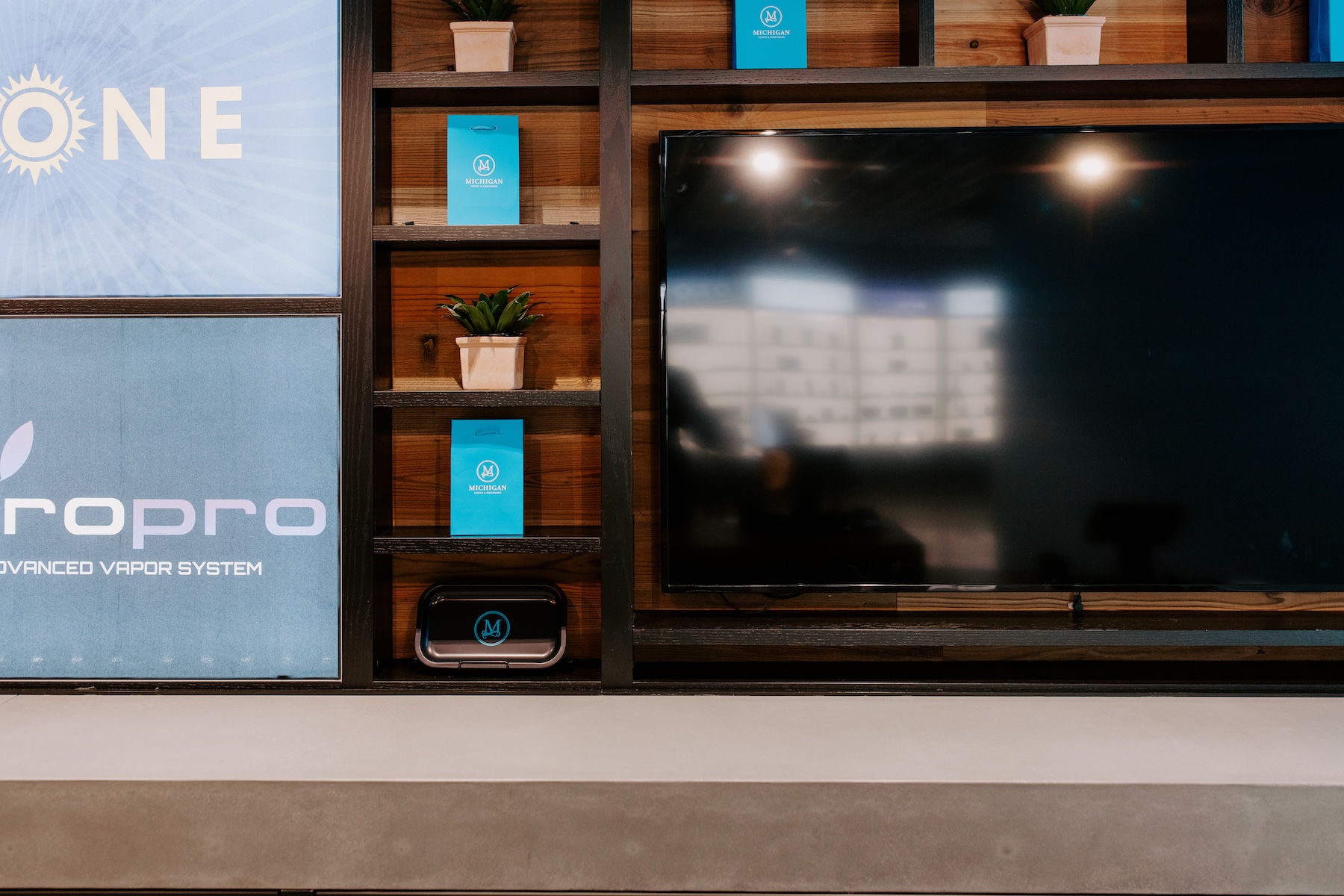
The Right Materials for Retail Fixtures Make All the Difference
When it comes to creating a brand experience, the little details matter. Custom retail fixtures, such as display cases, bespoke cashwraps, and shelving, are crucial components of brand identity and enhance the shopping experience for customers, and the materials they’re made from make a difference in that experience. However, finding the right materials to create a specific look or branding can be more difficult than it seems.
At GLW, we have decades of experience manufacturing fixtures using a wide variety of material types, and we use our extensive knowledge to help our clients find the right materials for function, aesthetics, and longevity. In this blog post, our experts explain a few key factors you can consider and how our team can help you narrow down your choices to specify the best fixture materials for your retail environment.
Consideration #1: Durability and Quality
When budgets are restricted, some retailers opt for lower-quality materials to cut costs. However, low-quality materials can actually cost more in the long run. Drawbacks of using lower-quality materials:
- Worn down faster from daily use
- Colors, strength, or finishes can fade, ding, or deteriorate quickly
- Function is impacted more by incidents like spills, dings, and drops.
- High-maintenance upkeep for aesthetics or function
In many cases, higher-quality materials will save money over the lifetime of the fixture–because they will last longer, withstand more wear and tear, and require less maintenance to stay looking great.
However, not every part of every fixture needs to be made from premium materials. Instead, GLW’s expert team can help you determine which components of your fixture can use lower-cost materials to help save money and which require premium materials to ensure longevity and performance. A great example is that solid wood is crucial for structural elements, such as doors, or for fixture edges that face more exposure, while lower-cost wood veneers can be used effectively for interior components. This will help to make sure your fixture maintains its aesthetic and functionality for years to come while also ensuring your project stays within budget.
Consideration #2: Material Finish
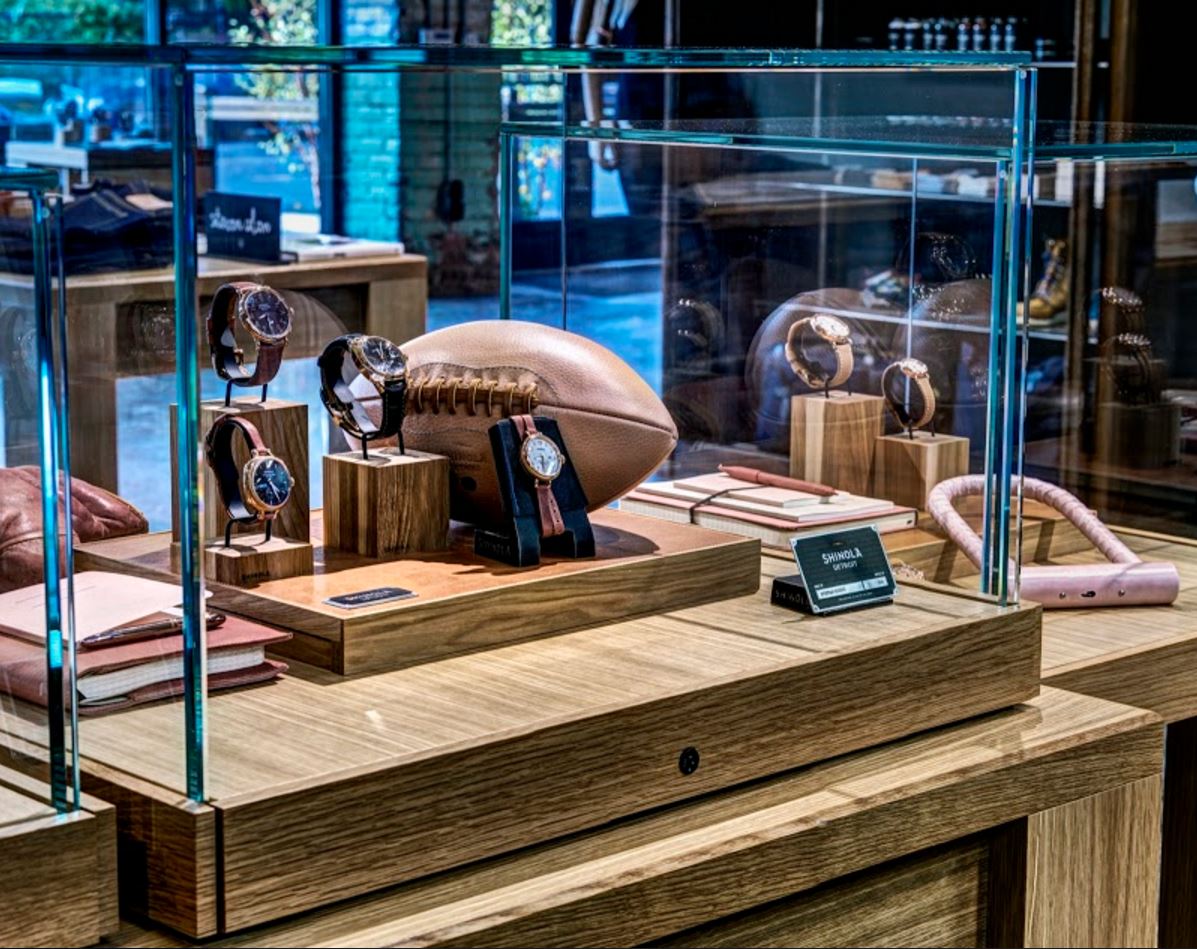
While it may seem like a small detail to consider, the finish of any given material can make a huge difference in the overall look of the fixture and its eventual longevity, too. There is a huge array of custom finishes to choose from, including painted-on textured finishes, stained finishes, clear finishes, wire brush finishes, and more. The key to maintaining a cohesive brand look is to choose a finish that matches the aesthetic of your brand and retail environment while also protecting your fixture from wear and tear. The GLW in-house paint shop experts will work with you to achieve your desired look that also performs and protects your fixtures from wear and deterioration. We can also provide finish samples and drawings during the design process.
Consideration #3: Sustainability
A brand’s environmental footprint has become increasingly important to consumers over the last several years. To appeal to this customer base, GLW can help you source and use eco-friendly materials, recycled or recyclable materials, and other sustainably-sourced materials for your fixtures. We have access to suppliers that provide high-quality, low-environmental-impact materials to choose from.
Consideration #4: Cost
The cost of fixture materials is impacted by many variables: not just the raw material cost, but the finish cost, manufacturing cost, maintenance costs, and overall material longevity. If your budget is tight and you’re looking for ways to value-engineer your project, GLW’s team of fixture experts is here to help. We’ll go over every detail of your fixtures to ensure we’re helping you cut costs where it makes sense while maintaining a high level of quality and durability. Cost is a key consideration, but with an experienced partner like GLW by your side, it will be easier than ever to specify quality materials that fit your budget.
Consideration #5: Maintenance
When considering materials for fixtures that are going to be used daily, it’s important to also consider the maintenance required for upkeep. While some materials may provide a great look, they might require constant cleaning or wiping down to ensure there are no stains, smudges, or wear. Additionally, an interesting moving feature on a fixture may seem like a great idea until it requires constant oiling or adjusting to keep it moving smoothly. The key to longevity in any fixture is making sure you choose materials that require a level of maintenance that’s reasonable to manage for the location’s employees or operations team.
One way to do this is to specify materials that are easy to clean and will reduce lifetime maintenance costs. Wood veneers are less prone to warping compared to solid wood and will require less maintenance. Powder-coated metals are easier to clean than plated or painted metals, and also less likely to chip or fade.
GLW’s Material Capabilities
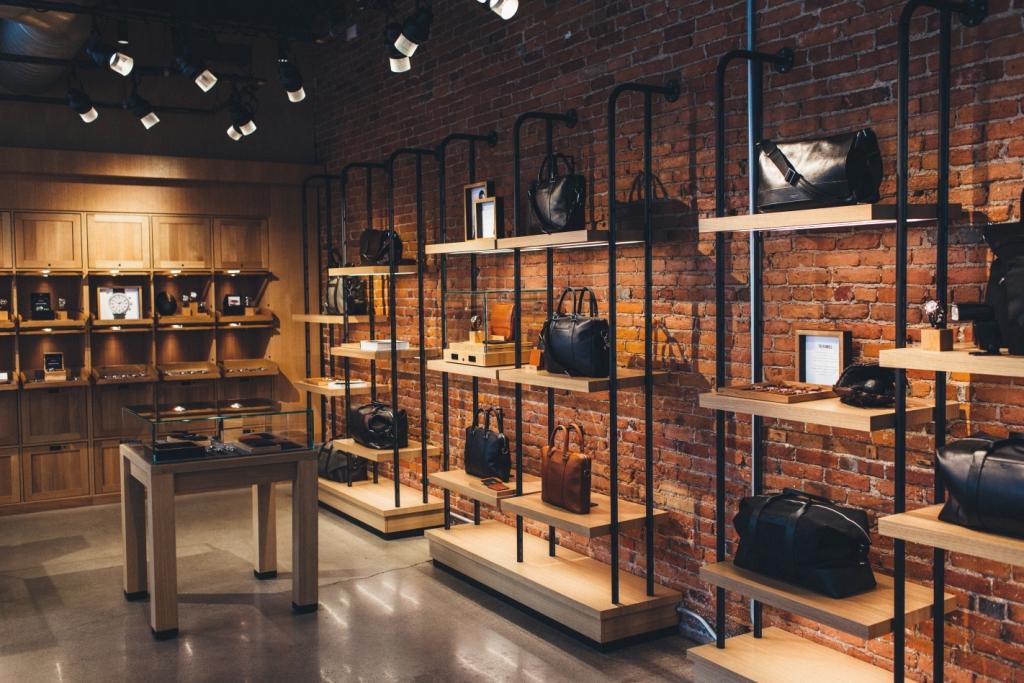
Our in-house team of craftsmen has expertise with a wide range of material types. At GLW, we’re here to help you determine which materials are best for your fixtures, and each material type provides its own unique benefits:
Wood:
Solid wood is more durable than veneer, and is best for fixture edges and structural building components. We work with straight-edge or live-edge wood, and will recommend and source a high-quality wood type that fits your budget.
Veneer:
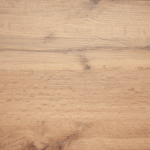
Veneers tend to be cheaper than solid wood and will last longer without warping. We use miter-folded pre-finished veneers to simulate solid wood.
Glass:
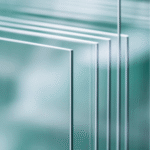
Most of our customers prefer low-iron glass. We provide in-house UV bonding, creating crystal-clear glass fixtures for museum display cases, jewelry fixtures, and other display environments.
Metals:
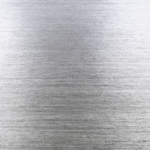
Metal components can be either structural or decorative. For structural metal, we recommend powder coating for enhanced durability and a reduced environmental footprint. Decorative metal often has a plated finish and contributes a modern industrial look to your retail environment.
Corian Solid Surfaces:
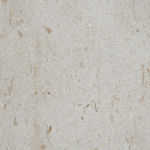
We have experience sourcing and working with almost any type of solid surface, including natural stone, manufactured stone, and acrylic polymer. These materials are popular for POS tops and counters due to their durability and ease of maintenance.
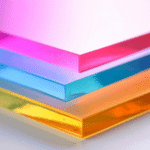
Acrylics and Plexiglass:
Acrylics can cost less than glass, but can also be less durable, but it may still be an effective choice to reduce costs.
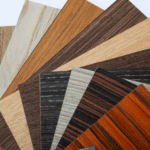
Plastic Laminates:
Plastic laminates are best for expedited orders and tend to be lower-cost than wood or paint-finished materials. We have an in-house plastic laminate press, so we can manufacture custom materials that reflect your brand’s unique identity.
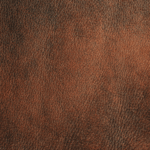
Upholstery and Leather:
Our in-house specialists will create fixtures that add to the luxury and comfort in your retail space.
Ready to Get Started With Your Retail Fixture Design or Fixture Prototyping?
If you have questions about specifying the right materials for your retail fixture, our team is ready to consult with you. Contact us today!