
Retail Fixture Rollouts 101: Our Guide for Multi-Store Retailers and Brands
Table of Contents
- What Is A Retail Fixture Rollout?
- The Core Components of a Fixture Rollout
- Why Retailers and Brands Execute Multi-Store Rollouts
- Typical Timeline Ranges And What Affects Them
- Common Challenges Retailers and Brands Face
- How Strong Communication Improves Rollout Outcomes
- Why Partnering Early Matters
- What To Look For In A Rollout Partner
- Why Value Engineering Matters
- The GLW Advantage
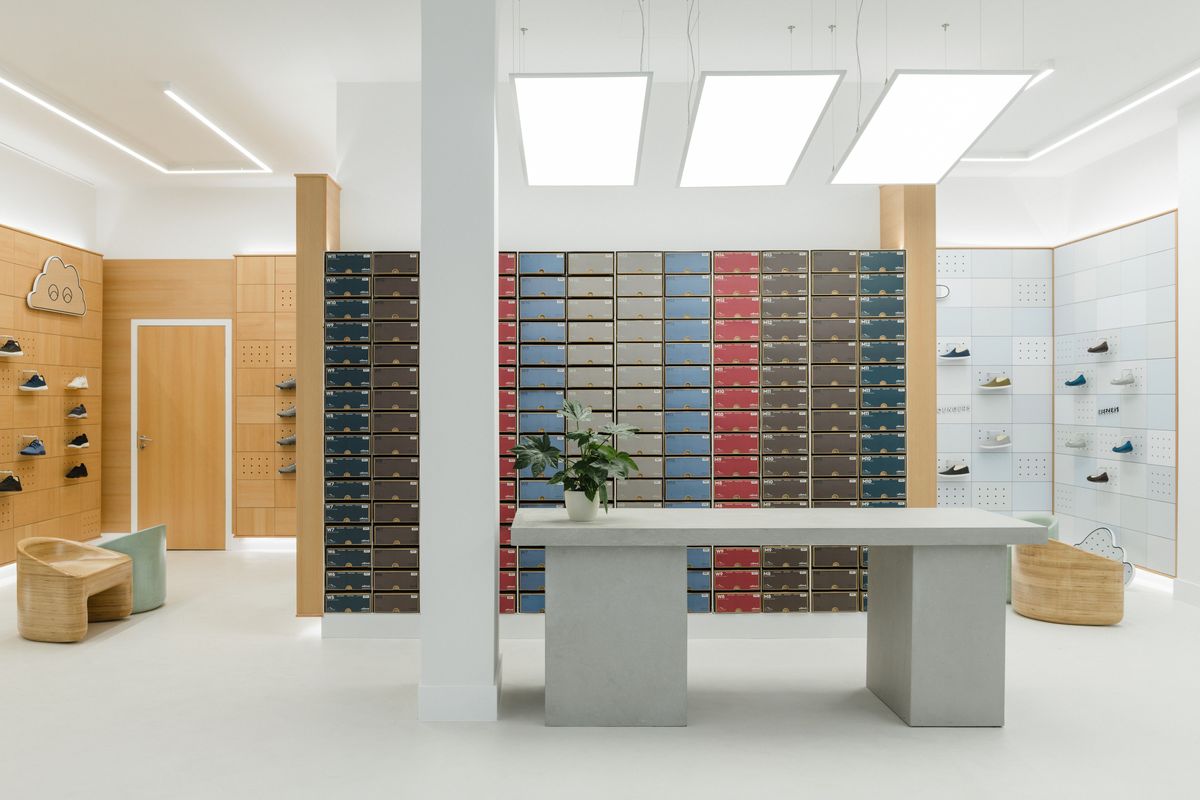
In the retail world, brand recognition is built on consistency. Whether a customer is walking into a flagship store or a small-box location, they should get a similar experience. From the shelving to the POS kiosks, brands must make sure that everything is perfectly in place, but this brand consistency doesn't happen by accident—it’s the result of meticulous planning. A key element of this consistency is the planning and execution of the retail fixture rollout. For brands managing dozens or hundreds of locations, a retail fixture rollout can be a huge task. This guide breaks down the basics of a retail fixture rollout for multi-store brands.
What Is A Retail Fixture Rollout?
Usually, a rollout is the term used for a set of at least ten fixtures for a retailer or brand and can take many forms. Sometimes the rollout involves a series of single, high-impact fixtures that will be sent to each location in a chain of stores; other times, it is a multi-fixture overhaul designed to phase out legacy displays or update a set of stores.
The Core Components of a Fixture Rollout
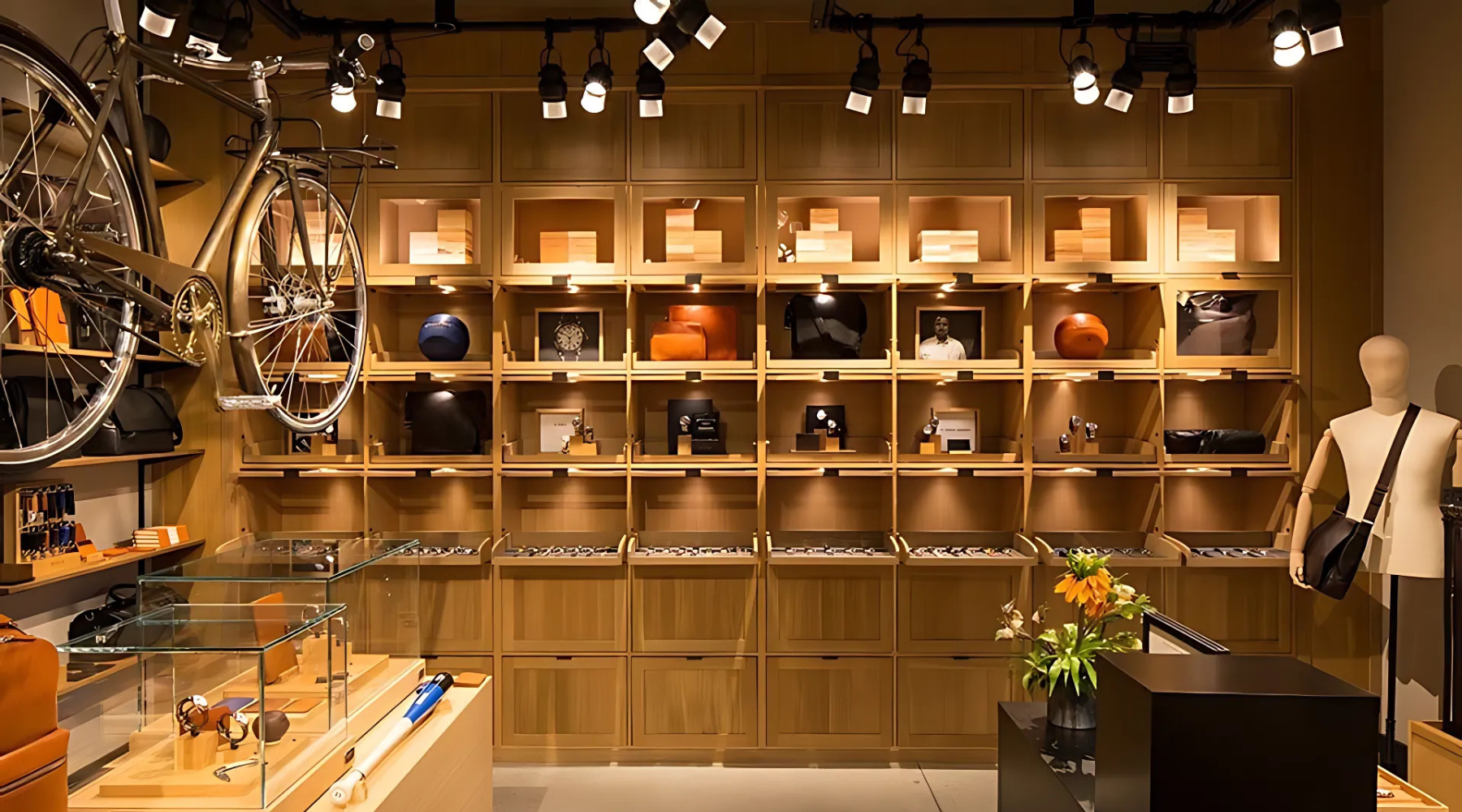
The journey from a sketch to a finished store fixture begins with a deep-dive to review everything from initial concepts and sketches to budget requirements and material preferences. This kicks off a back-and-forth collaborative process with the manufacturer that will result in drawings and renderings refined until they meet every brand requirement. During this collaborative design process, we also provide value engineering; if a timeline or budget is tight, we help choose materials that offer similar benefits but are more readily available. Once the designs are approved, the project moves into prototyping.
At GLW, we focus on prototyping fixtures so clients can touch, adjust, and perfect the design before moving forward. This meticulous review ensures that when the fixtures are shipped out to stores, they are exactly what the brand envisioned and no expensive or time-consuming rework is needed. After design and prototyping, the rest of the rollout process can move forward quickly. With all of the materials, color palettes, and finishes approved, the fixtures are fabricated, packaged, and shipped out to each store.
Why Retailers and Brands Execute Multi-Store Rollouts
Most retailers and brands strive to keep their look consistent across each of their locations to promote brand recognition, brand trust, and consumer confidence. A multi-store fixture rollout positively impacts the customer by providing a recognizable experience while also allowing brands to merchandise product in the same format across each location. This consistency also makes internal merchandising instructions and store organization standards easier to communicate across multiple locations. It also helps keep the customer experience familiar across transitions, like moving from spring to summer, during special sales and events, and throughout product redesigns.
Typical Timeline Ranges And What Affects Them
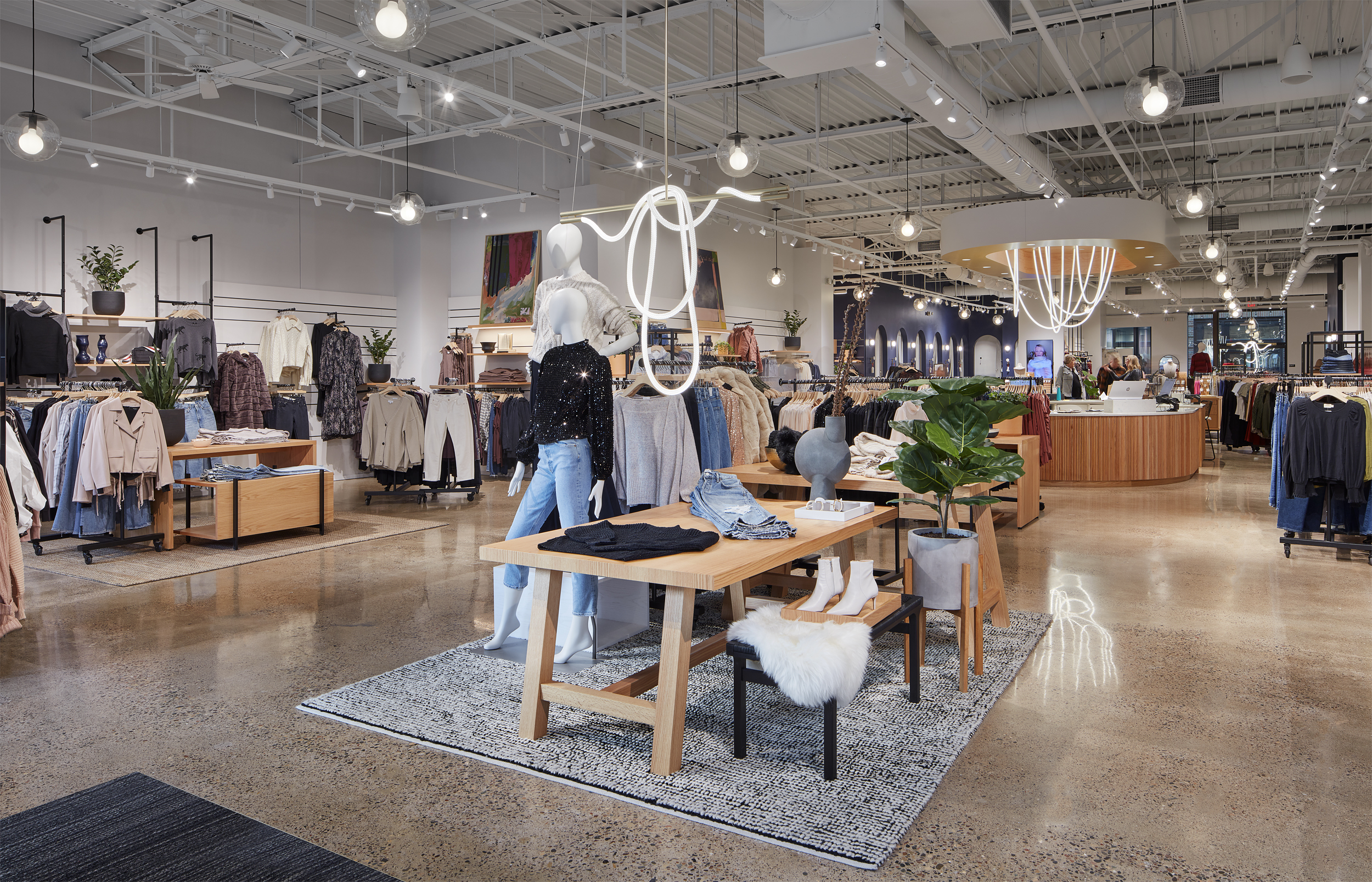
A typical rollout follows a 90-to-120-day cycle from the first point of contact to final installation. While simpler projects might move as quickly as six weeks, more complex designs involving custom materials can require an 8-to-12-week window. However, each rollout’s timeline is different, so the sooner a partner like GLW is involved in the process, the more effectively we can help with the details and ensure a quick turnaround. Factors that can shift the timeline in either direction include:
- Material Choice: Custom finishes or exotic materials can add lead time.
- Approval Speed: The faster the internal chain of approvals moves, the faster we can begin fabrication.
- Value Engineering: If a timeline is tight, value engineering can potentially quicken the process by choosing materials that are more readily available.
Common Challenges Retailers and Brands Face
The biggest hurdle isn’t usually the build itself; it’s the logistics and the chain of communication that most often present challenges or delays. These are among the most common challenges we’ve seen with fixture rollouts:
- Internal Approvals: When the approvals get stuck due to communication loops, internal delays, or other miscommunications
- Supply Chain Volatility: Custom, specialty, or high-demand material availability can change, causing fabrication delays.
- Specification Complications: Navigating the non-negotiables of specifications while trying to remain within budget.
How Strong Communication Improves Rollout Outcomes
Effective communication allows retailers and brands to move through the planning stage quickly, so the focus can be on what matters: getting high-quality fixtures installed in a brand’s stores. At GLW, we act as the quarterback for the retail fixture rollouts, coordinating communication between designers and the brand’s internal teams to keep everyone on the same page as effectively as possible. Strong communication ensures clients don’t have to worry about delays due to misunderstandings, missed deadlines, or overlooked details.
Why Partnering Early Matters
When it comes to finding a partner for a retail fixture rollout, partnering early can take the process from lengthy and disorganized to quick and efficient. Because GLW has experience handling large, multi-store fixture rollouts, we can provide key insights at every stage, helping to smooth the process and guide communication.
What To Look For In A Rollout Partner
A true rollout partner provides more than just the fixtures; they provide a white-glove service that handles the complex logistics so brands don't have to. When managing a fixture rollout for a large number of locations, you need a partner with a proven track record. You should look for:
- Full-Service Partner: A partner who handles the details from start to finish.
- Value Engineering Expertise: The focus should be on quality where it matters while finding the right finishes, design, and features to keep everything cost-effective.
- Full-Service Integration: A partner that can guide the process through design, shipping, and installation to save you money and time.
- Proven track record: A partner with a track record of successful fixture and store roll-outs, and a solid list of references.
Why Value Engineering Matters
At GLW, our team understands what drives the cost of fixtures, and we find ways to provide the best value without sacrificing quality or aesthetics. This ensures every one of our fixtures are durable and long-lasting while remaining in budget. By choosing materials that are more readily available, easier to work with, or a better value, we can often shorten timelines and meet strict budgetary goals simultaneously. With our team’s experience managing huge purchase orders and massive multi-state rollouts, we’re focused on delivering a final product that lasts while ensuring your brand’s vision is realized.
The GLW Advantage
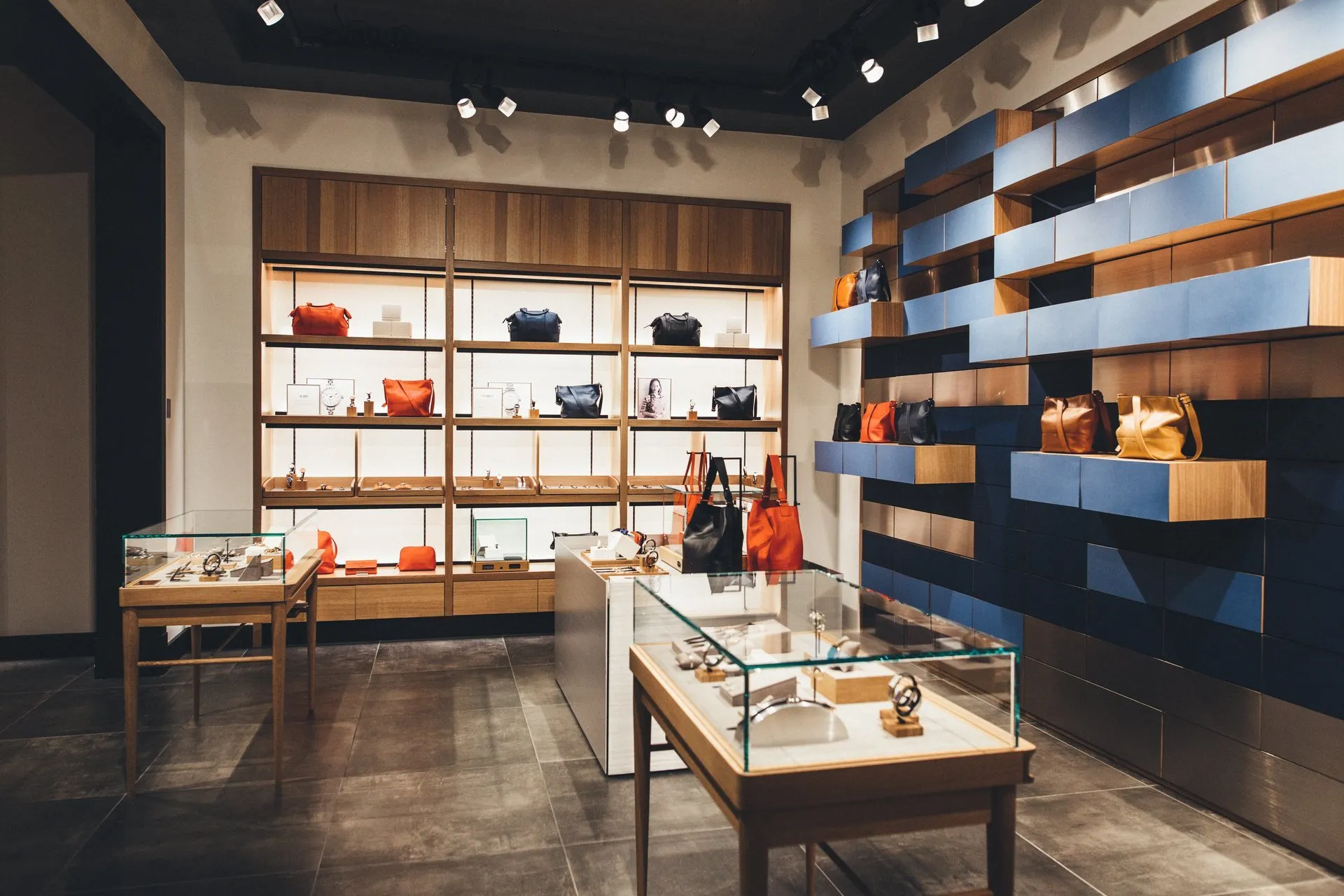
At GLW, we handle massive rollouts with the same care and precision as a custom boutique build. This means we provide comprehensive services from the first time we’re contacted down to the final fixture installation. We include detailed instructions and drawings to the teams on the ground, and can handle the direct installation for our local projects, or full-service coordination for installations across the country. Our team ensures that every detail from design to shipping, delivery, and installation, runs smoothly and remains on schedule.