
How to Manage Effective Retail Fixture Rollouts
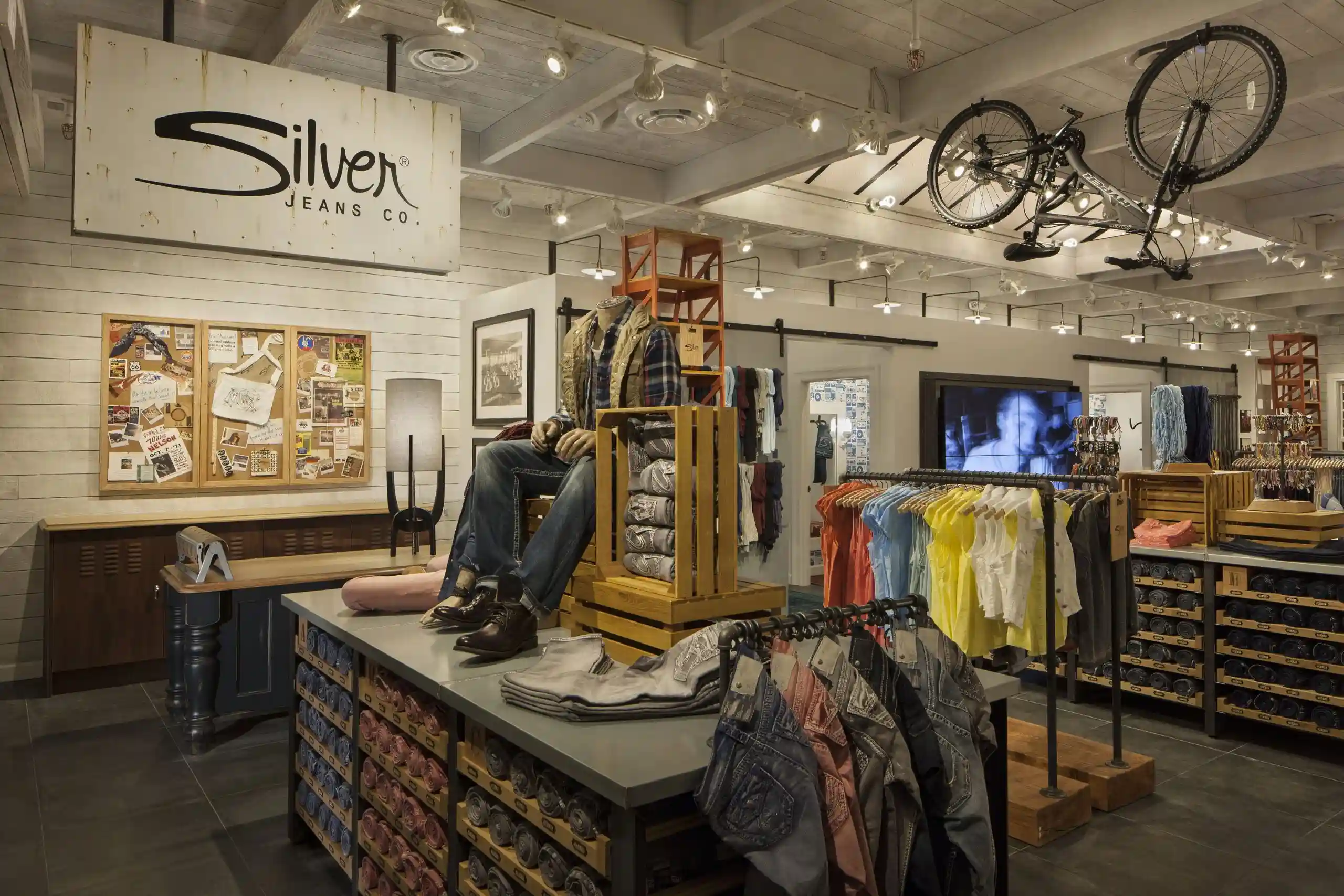
For retailers that need to upgrade existing stores or open new ones, multi-location fixture rollouts are consistently more effective than handling each store’s fixture updates as standalone projects. At GLW, our team has decades of experience engineering, manufacturing, and installing fixtures for retail fixture rollouts. In this blog post, our expert team explains a few strategies for navigating the complexities of rollouts successfully.
Why Are Rollouts a Better Choice For Multi-Store Retailers?
When handling fixture upgrades across multiple locations, some retailers may wonder why rollouts are preferable to one-off projects. The biggest advantage of treating multiple locations as one big project is the efficiency and savings retailers get for their time and money in the long-term.
The savings of scaling up to large initiatives instead of single projects can be found across every stage of the rollout process. In engineering and manufacturing, it is both faster and less expensive to manufacture fixtures in batches, and it’s easier to ensure that these fixtures are consistent across multiple locations. This is because:
- Materials available and priced well now for certain fixtures may not be available or priced the same in the future.
- Manufacturing new fixtures may not have long lead times, but those can change down the road due to availability, workload, and other factors.
- Streamlining approvals for large batches is easier and more efficient than revisiting the materials, design, and finishes for approval with multiple small projects.
At GLW, we work with you to identify the optimal order size, manufacture the fixtures for the entire rollout, then warehouse all the fixtures until it’s time to ship them to their respective store locations. This means that costs are lowered, shipping is efficient, and there are fewer headaches caused during a multi-store fixture rollout.
That inventory also gives retailers a built-in safety net. If a disruption affects one location’s fixtures or they’re damaged during or after installation for any reason, we can pull from stock that’s scheduled for a different store and ship early, then still replenish before the originally scheduled location needs those fixtures. It's a level of nimbleness that one-off projects simply can't offer.

Strategies For Managing Effective Rollouts
#1: Maintain A Cohesive Brand Look, While Customizing For Each Space As Needed
To create a cohesive brand presence that’s recognizable across each of your stores, many of your fixtures should be identical or visually similar across all your locations. This ensures that they can be manufactured efficiently and that your locations will share a consistent and recognizable interior design. For flagship stores, unique locations, or specialty areas, fixtures can be customized to fit while still incorporating the look and feel of the overall brand. These customizations can include anything from incorporating local materials, to resizing fixtures to fit around a location’s structural elements, to designing specialty entryway fixtures for dynamic visual appeal.
By making that majority of your brand’s fixtures identical in a rollout, this lets GLW batch-manufacture the bulk of your fixtures well in advance, with only a fraction requiring custom work and installation per location.
#2: Decide On Your Shipping, Delivery, and Installation Cadence Early
Even a few days of delay can be costly for retailers. The majority of similar fixtures approach helps here too, as it allows most fixtures to be manufactured and warehoused ahead of schedule so you're not scrambling when opening day approaches.
At GLW, we take the logistics of fixture rollouts seriously. Fixtures are individually packaged and bundled on pallets to protect against transport damage, and we color-code fixtures by their location within the store so installers don’t waste time on guesswork. Our decades in the industry have also built us a trusted global network of installer relationships, which means fewer surprises and faster turnarounds.
#3: Collaborate With A Single Project Manager Throughout The Process
When it comes to your retail fixture rollouts, working with a team who knows your project can make all the difference, especially if you have many locations and a lot of moving parts associated with your project. Working with a fixture manufacturer who assigns a dedicated point of contact to your rollout project is key! This way, you’re not working with a rotating cast of representatives who need to be caught up or have things explained to them each time. A single project manager offers continuity in your project details, too, because they know your brand, your team, your preferences, and exactly what works.
#4: Work With A Full-Service Manufacturer
A fixture manufacturer that handles only part of the process, and hands off to third parties for logistics, warehousing, or installation coordination, creates gaps in the process. A full-service manufacturer keeps every phase under one roof, and one set of standards so you never have to worry about cross-team miscommunication, hand-off delays, or other issues.
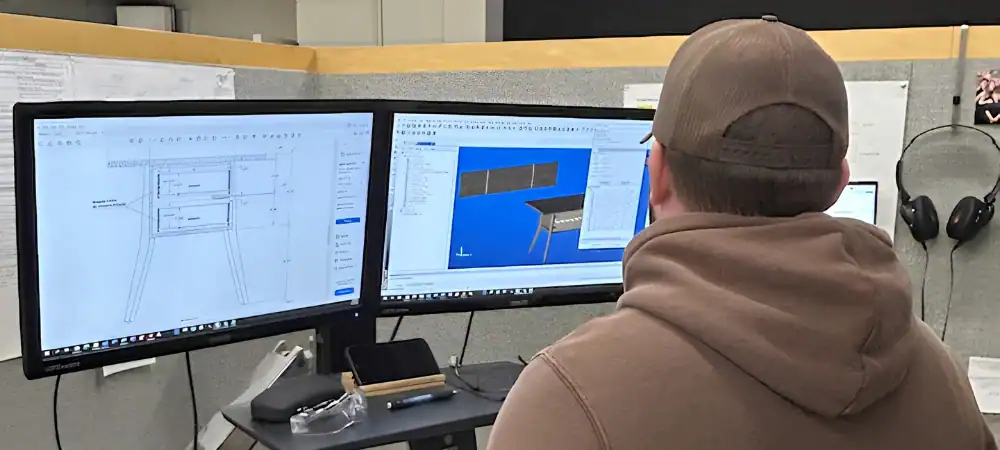
At GLW, we manage the entire fixture rollout process from first sketch to final installation. That means design engineering and prototyping, material selection and value engineering, manufacturing, warehousing, logistics, and dedicated project management are all handled in-house.
We coordinate around your store conditions, adjust when things change in the field, and keep execution moving without delays. Our project managers stay with your account throughout the entire rollout and work to develop genuine expertise about your brand, your merchandise, and your customers so we can better serve you each and every time. Over forty years of rollout experience means we've seen the complications that derail programs, and we know how to get ahead of them to ensure your fixture rollout is smooth and streamlined.
Ready To Discuss Your Next Rollout?
A fixture rollout is a logistically complex project, and the difference between a smooth execution and a costly one often comes down to who's involved with the process. The right partner doesn't just manufacture fixtures; they engineer them for consistency, plan production around your schedule, anticipate problems before they become delays, and are accountable at every stage. That's the standard GLW has held for over forty years, across rollouts of every size and complexity. If you're planning an expansion, a remodel, or a full-scale multi-location program, we'd love to be part of it. Reach out to our team — we're happy to discuss the details with you.